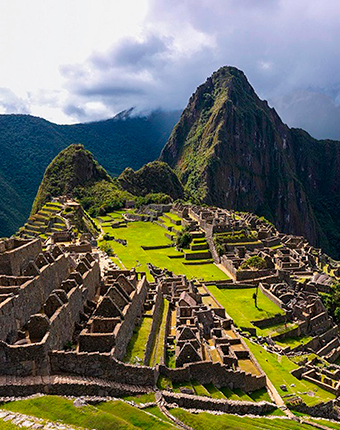
For filming activities within the Machupicchu National Archaeological Park, entry
tickets to the Inca citadel must be purchased at least three months in advance
through the official Peruvian Government website: https://tuboleto.cultura.pe/llaqta_machupicchu. Please also take into account the
conditions and recommendations established by the competent authorities.
It is also important to consider other requirements for access to the Inca citadel, such as train tickets to Machupicchu Pueblo and bus tickets for transportation up to the archaeological site.
For more information regarding procedures or any additional inquiries, we recommend contacting us at: [email protected].
News
A success story: Peruvian film ‘Retablo’ makes its debut on Netflix
Photography:
A couple of years ago, in 2018, the cinematographic work of Peruvian Álvaro Delgado Aparicio was screened, before some of the most demanding critics of the seventh art, at the Berlin festival. The result: a standing ovation for Retablo.
After its screening, the film took home a Teddy Award for Best First Feature and a Special Mention from the Crystal Bear for Best Film.
To date, the film – the script of which was begun in 2014 – has earned 40 international awards and nominations.
But what is this highly acclaimed film actually about? Now it is getting ready to be made available via streaming giant Netflix.
Synopsis
Retablo introduces the story of Segundo, a 14-year-old teenager who admires and longs to follow in the footsteps of his father, a master craftsman who has dedicated himself to the art of the ‘retablo’.
One day, however, the boy comes across his father in a compromising situation that results in him losing the respect he once had for him. From that point on, the leading character gets caught up in an internal struggle between holding on to or losing the strong bond that united him to his father.
“I have always said that, for me, Retablo is a love story, a story about how complicated tolerance can be. About diversity and how difficult it is to accept. But it’s also a story about complexity and modernity and how these two things are able to coexist,” explained the director in an interview with PROMPERU.
Ayacucho, retablo and its magic
There is an additional factor that extends beyond the undeniable talent of the cast. The setting. The life of Segundo and his family was shot amid the stunning landscapes of the department of Ayacucho, a region that stands out for its impressive artistic and cultural expressions. The creation of ‘retablos’ are one such expression.
As a matter of fact, the film’s name and story revolves around this piece of art due to Delgado’s own fascination with it. The technique behind it, its aesthetics and its history captured his attention several years ago, to the extent that it lured him travel to Ayacucho to find out all he could about the once so-called 'cajones de San Marcos' (San Marcos boxes).
On his quest to give the Peruvian identity more prominence, he decided to heed the words of Magaly Solier, a member of the cast, and turn the production into a script written entirely in Quechua.
The leap to Netflix
There are a number of national productions that have managed to make the leap to streaming platform Netflix, considered one of the most popular streaming services in the world.
This time, Netflix has announced the turn of none other than Retablo to be added to its monthly billboard of newcomers. Its release date will be next Wednesday, July 29.
The inclusion of Retablo on Netflix will coincide with Peru’s National Holidays. And, despite this year's unusual circumstances forcing the cancellation of all types of celebration, seeing this heart-felt and well-made Peruvian production is the perfect plan for appreciating and supporting Peruvian talent and creativity.
Awards and nominations
Around the same time of its release on the international streaming platform, the film has also been nominated by the Mexican Academy of Film for Best Ibero-American Film in the Ariel Awards.
Retablo was also nominated in the Best Foreign Film category at the Independent Spirit Awards and Best First Feature at the Bafta Awards. It has also raised the profile of Peru in a series of other prestigious film festivals in New York, Bilbao, Madrid, Switzerland, Sweden, Vancouver, Chicago, China, Havana, Ukraine, Houston and Toronto.
Sources: Andina/ Retablo
Noticias relacionadas
The desert and dunes of Ica: Discover the land where every story comes to life
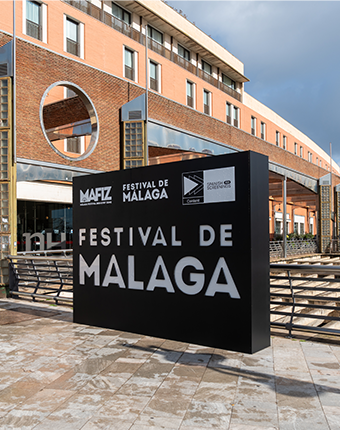
Peruvian film featured at the Malaga Film Festival
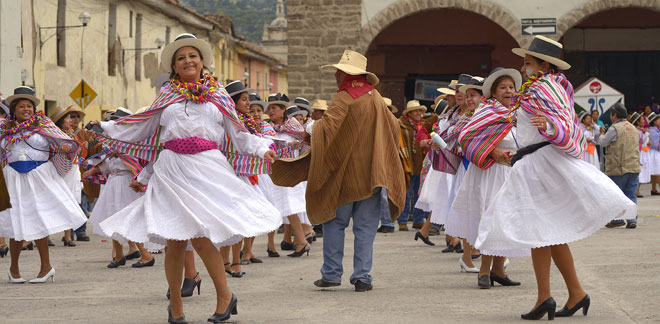
Ayacucho carnival: Vibrant and traditional locations for filming
Explore our locations
andes
Machupicchu
One of the seven modern wonders of the world.
Cusco
andes
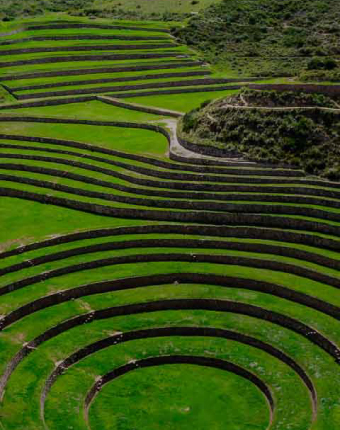
Sacred Valley
The Sacred Valley fuses history, landscapes and adventure in a corner full of magic.
Cusco
andes
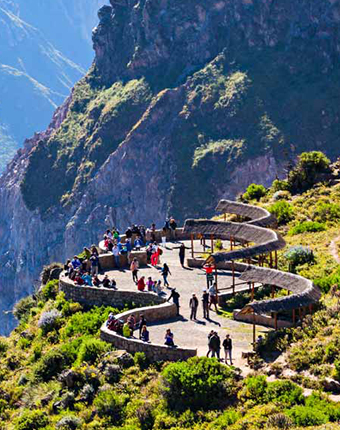
The Colca Canyon
The Colca Canyon, in Caylloma, is one of the deepest in the world and a natural treasure.
Arequipa
andes
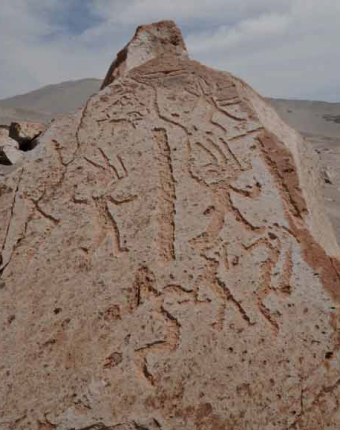
Petroglyphs of Toro Muerto
Toro Muerto, in Castilla, is a vast petroglyph museum that connects with ancient cultures.
Arequipa
andes
Abra Malaga
Abra Malaga Thastayoc Royal Cinclodes is a high altitude mountain pass in Cusco, Peru.
Cusco
coast
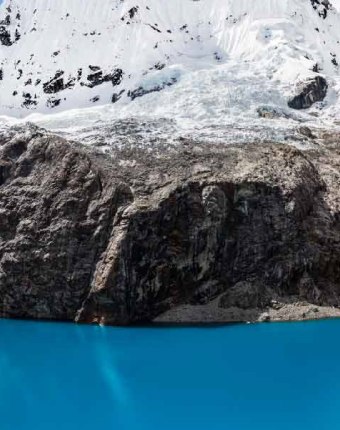
Santa Cruz - Llanganuco
Santa Cruz in Llanganuco invites you to discover its trails, lagoons and unique landscapes.
Áncash
coast
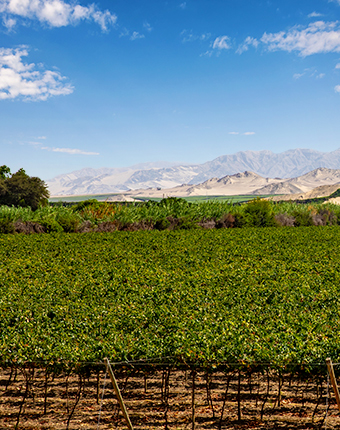
Pisco Vineyards
Do you want to know how Pisco is made? Here you will discover everything about the Peruvian spirit.
Ica
andes
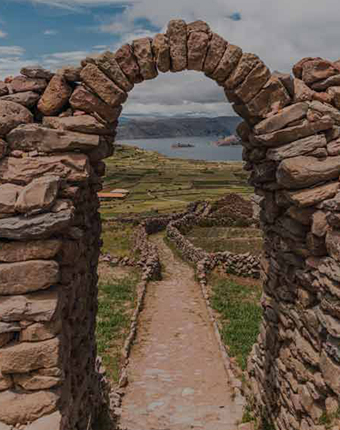
Amantani
Amantaní is a quiet island where visitors enjoy the Aymara agricultural life.
Puno
andes
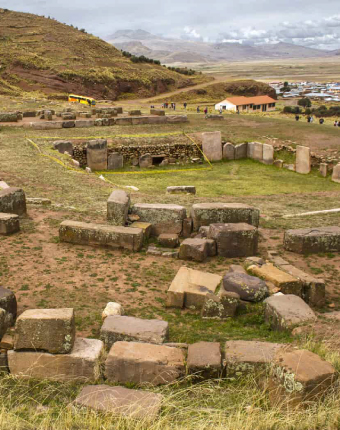
Pukara Archeological Complex and Pukara Lithic Museum
"Pukara, cradle of the clay “toritos”, fuses history, ceramics and ancestral architecture.
Puno
coast
Tarata
Tarata, in Tacna, fuses nature, history and tradition with impressive landscapes.
Tacna
andes
Lampa
Lampa, in Puno, is the “pink city” because of the clay on its facades.
Puno
coast
Abtao Naval Submarine Site Museum
Immerse yourself in naval history and become a diver for a day on the Abtao.